
Cyber security: is your organisation clued up?
Cyber security may sound like it’s only relevant to large corporations, but you’d be wrong. According to Gov.uk’s cyber security breaches survey 2018, nearly half of all micro and small businesses reported either a breach or attempted breach over the past year. That’s a sobering statistic so, it’s not surprising that over 70% of small businesses now consider payment fraud to be a major risk to their business (The Small Business Fraud Report).
Apart from the obvious implications of being hacked or scammed, there are laws in place that mean if you hold customer data, you must make sure it is secure (Data Protection Act 2018). Keeping a handle on your IT security will help you manage your legal obligations.
So, what are the key cyber security or IT security risks, and what can you do as a business owner to make sure you don’t end up a victim?
Phishing
Sadly, this is a term that most of us are now familiar with. Phishing is when fraudsters attempts to gain access to your data, passwords, bank or other account details. This is most commonly a cyber security issue as most phishing is via email. However, it is important to be aware that it can also happen via phone call or even text!
Related to this is invoice fraud. This is when a fraudster poses as a supplier in order to divert money to their own bank account. The problem with this is that if the real supplier doesn’t get paid, you may incur charges and experience unwanted (and potentially expensive!) disruption to your business.
What you can do:
- Always verify the email address of any unusual request
- Ask to call them back using the phone number on your files if you’re unsure about the validity of a caller
- Always double-check if you receive requests for payment or a change in bank details for a supplier
Password Management
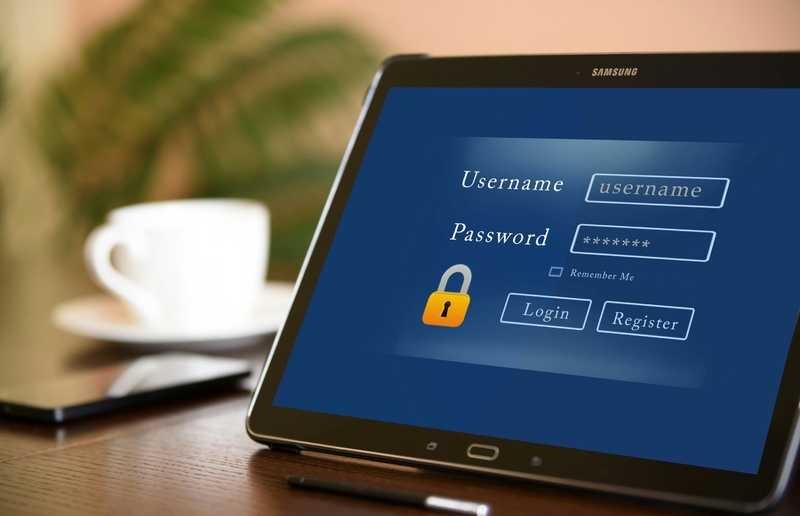
It’s imperative that you make sure your systems and data are secure, and this falls under general IT security. The most common form of data protection used are passwords, however, this level of IT security is only as good as the strength of your passwords. It’s a relatively simple process to update your passwords, but most people are reluctant to do this as they’re worried about forgetting them. We’re going to cover password management in more detail in another blog post (so keep an eye out!).
What you can do:
- Make your passwords hard to guess: use a mixture of CAPITALS, $ymbol$, and numb3rs
- Don’t use the same password for multiple accounts
- Change your passwords every 3-6 months
- Don’t write your passwords down anywhere!
- Don’t share your password with ANYONE!
Update your software

A major aspect of your IT security is the software you use. Having an out-of-date version of a piece of software can open your business up to risks. However, most software you’re likely to use will come with support which includes updates.
What you can do:
- Make sure your notifications are on for updates
- Install all updates as soon as they’re made available to ensure that you are protected against viruses, malware, and cyber-attacks.
Here at Splendid Webs, we can carry out a cyber security or IT security review of your business and provide you with recommendations to make sure your organisation stays safe. At the moment, we’re offering this service from only £99 (+VAT). Get in touch with us now to find out more!